
How Much Is Liability Insurance For A Small Business: Decoding The True Cost Of Liability Insurance For Your Small Business
Learn what affects liability insurance for a small business cost, including industry risk, size, location, and claims history—plus tips to choose coverage.
Index
Protect your business today
Tell us a little about your business and we’ll create a coverage package that fits your needs, with a price you can count on.
Get a QuoteAs a small business owner, protecting your investment is critical and understanding how much liability insurance for a small business costs is a key part of this protection. This essential coverage shields your business from claims that could arise due to accidents, injuries or damages that occur in your workplace. With so many variables affecting the cost of liability coverage, it can be challenging to decipher the true cost. This article aims to break down these factors and guide you toward making informed decisions about your coverage needs.
Understanding Liability Insurance for Small Businesses
Liability insurance protects your business in the event that you are held legally responsible for damages. One of the primary questions every small business faces is: “What will the small business insurance cost?” The answer depends on numerous factors, ranging from your business’s size and industry to its location and risk exposure.
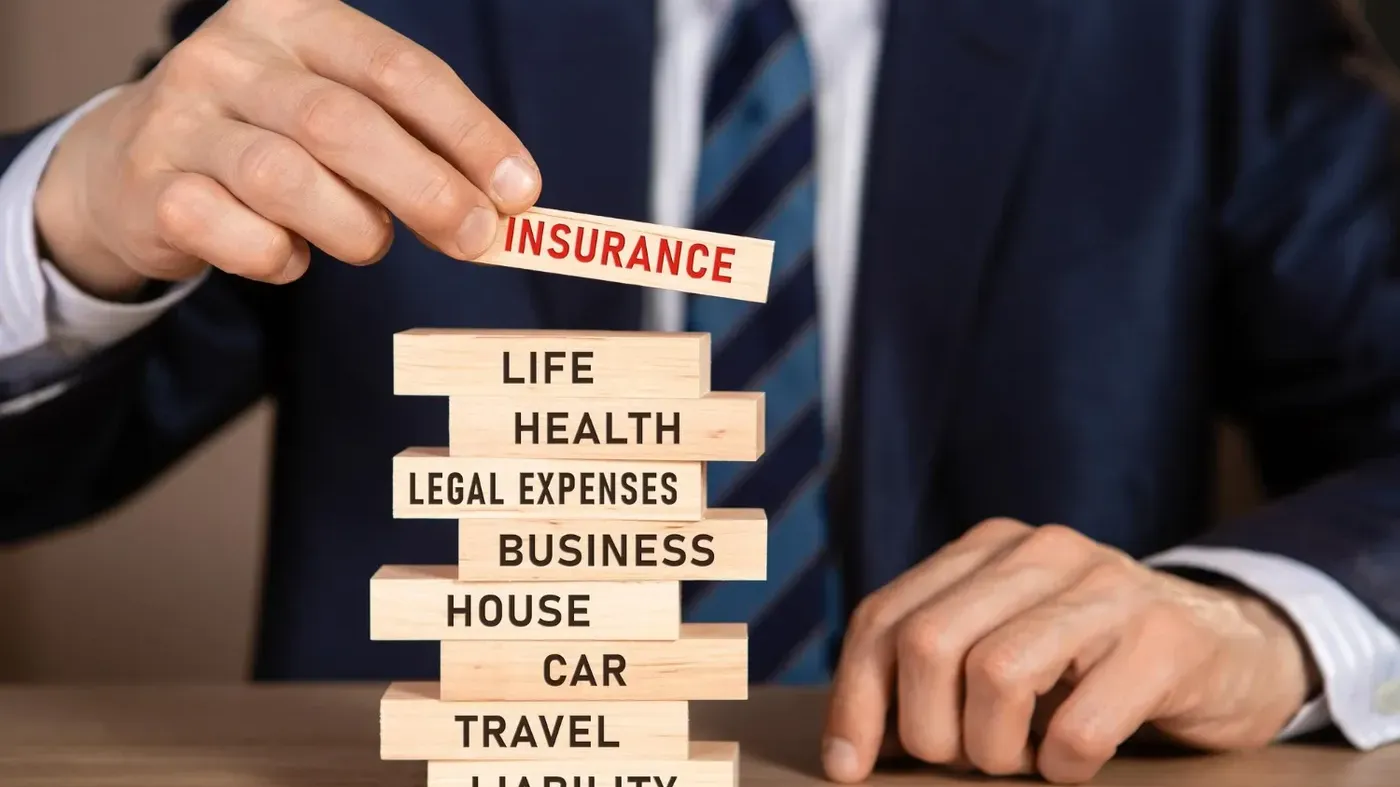
For small businesses, liability insurance encompasses several types of coverage, including:
- General Liability Insurance: Covers common risks such as third-party injuries and property damage.
- Professional Liability Insurance: Also known as Errors & Omissions, this protects against claims related to professional mistakes.
- Product Liability Insurance: Ideal for businesses that manufacture or sell products, covering liability due to defective products.
Factors Influencing Liability Coverage Pricing
The cost of liability insurance for a small business is influenced by diverse factors:
- Industry Risks: Different industries have varying levels of risk. For instance, a construction company typically faces higher risks than a consulting firm.
- Business Size: The larger your business (in terms of revenue or number of employees), the higher your commercial insurance rates may be.
- Location: Operating in areas with higher claim rates can lead to increased premiums.
- Claims History: A history of frequent claims can raise your business liability premiums as it signifies higher risk to insurers.
For example, a small retail store might face lower premiums compared to a small IT consultancy due to the different risks inherent in these operations. Additionally, a food truck might require specialized coverage due to its mobile nature, impacting the overall cost.
Selecting the Right Liability Coverage
Choosing the right liability insurance involves more than looking at the cost alone. It’s crucial to assess your business’s unique risks and seek professional advice tailored to your needs. A great first step in navigating this process is to learn how to find an insurance broker for your business. A knowledgeable broker can provide insights into the most suitable coverage options and help you compare different policies effectively. Furthermore, you should periodically review your policy to ensure it still aligns with your business activities and growth. Consider policy bundling, as insurers often provide discounts for combining multiple coverage types under one provider.
What is liability insurance and why is it important for entrepreneurs?
Liability insurance is a form of coverage designed to protect business owners from financial losses due to claims of negligence or wrongful acts. This protection is crucial because it covers legal defense costs and any settlements or judgments against the business, up to the policy limits. For entrepreneurs, liability insurance is not just about compliance or risk mitigation; it’s a fundamental component of their business strategy. The importance of liability insurance for entrepreneurs cannot be overstated. Consider a scenario where a client sues a business for breach of contract or negligence. Without liability insurance, the entrepreneur would need to cover legal expenses and potential settlement costs out of pocket, which could severely affect the cash flow and financial stability of the business. Having liability insurance ensures that entrepreneurs can focus on growing their businesses without the fear of financial ruin from unexpected legal battles.
How does liability insurance contribute to the success of a startup?
Liability insurance plays a pivotal role in the success of a startup by providing a safety net that allows entrepreneurs to take calculated risks without the fear of catastrophic loss. Startups often operate in dynamic environments where innovation and rapid growth are key. With liability insurance, startups can experiment with new ideas, launch innovative products, and enter new markets with greater confidence. This insurance acts as a guarantee that if something goes awry, the business won’t face insurmountable financial burdens. Furthermore, liability insurance can enhance a startup’s credibility with clients and investors. It demonstrates that the business is financially savvy and prepared for unforeseen challenges, which can be a significant selling point in attracting investment. Investors are more likely to back startups that demonstrate a solid risk management strategy, where liability insurance is a cornerstone element.
What are the different types of liability insurance available for businesses?
There are several types of liability insurance available to cater to different business needs, offering protection against various risks:
-
- General Liability Insurance: Covers a wide array of risks including bodily injury, property damage and personal injury claims. It’s essential for almost any business, providing a broad level of protection.
- Professional Liability Insurance: Also known as Errors & Omissions (E&O) insurance, this coverage is vital for service-based industries. It protects businesses against claims of negligence, inadequate work, or misrepresentation.
- Product Liability Insurance: Critical for businesses that manufacture, distribute, or sell products. It provides coverage against claims related to product defects that cause harm to consumers.
- Employment Practices Liability Insurance (EPLI): This insurance covers claims related to employment practices, such as wrongful termination, discrimination and harassment. It’s increasingly important in today’s litigious work environment.
- Cyber Liability Insurance: As businesses become more reliant on technology, this insurance protects against cyber threats, including data breaches and information theft.

Each type of liability insurance addresses specific risks and businesses often require a combination of these coverages to fully protect themselves against potential claims.
Can a business venture be successful without liability insurance?
While it is technically possible for a business venture to achieve success without liability insurance, doing so is fraught with significant risks. In the absence of coverage, a single lawsuit or claim could deplete a business’s finances, potentially leading to bankruptcy or severe financial distress. Legal battles are not only costly but also time-consuming and can distract from the core operations of the business. Moreover, many clients, vendors and partners require proof of insurance before they are willing to engage in business transactions. Therefore, lacking liability insurance could limit a company’s opportunities for growth and partnership. Businesses without such coverage might also struggle to secure funding, as investors view uninsured companies as higher risk. Ultimately, while some businesses may operate successfully without liability insurance, they do so at their own peril. The peace of mind and financial protection provided by insurance is invaluable and often outweighs the cost of premiums. Entrepreneurs who invest in liability insurance are better positioned to navigate legal challenges and maintain a competitive edge in their respective markets.
Conclusion: Understanding the True Cost of Business Liability Insurance
The question of how much is liability insurance for a small business doesn’t have a one-size-fits-all answer. By understanding the nuances of liability coverage pricing, you can better navigate the landscape of commercial insurance rates. Evaluating the factors that influence premiums, working closely with an insurance broker and continuously assessing your coverage needs will enable you to secure the most appropriate and cost-effective protection for your business.