
Navigating the Insurance Maze: Decoding Errors and Omissions Insurance VS Professional Liability Insurance.
Errors and omissions insurance vs professional liability insurance explained, compare coverage, key differences, and which policy fits your profession best.
Index
Protect your business today
Tell us a little about your business and we’ll create a coverage package that fits your needs, with a price you can count on.
Get a QuoteIn today’s increasingly litigious world, professionals are more concerned than ever about protecting their livelihoods. Navigating the landscape of insurance options can feel like deciphering a complex puzzle. Among the options, many find themselves comparing errors and omissions insurance vs professional liability insurance to determine which offers the right protection. While these terms are sometimes used interchangeably, they have subtle distinctions that are crucial for understanding which might better suit your professional needs.
Understanding the Basics
At their core, both types of insurance are designed to shield professionals from financial harm in the event of a lawsuit arising from mistakes or perceived failures in their professional services. However, the primary difference between them lies in the scope and nature of the coverage they provide.
E&O insurance, for instance, is designed specifically for those offering expert advice or services. It covers the cost of defense and any resulting damages if you were to be held liable for an error or omission in the services you provided. This is particularly essential for fields such as real estate, financial advising, and other client-centered professions. Professional liability insurance, often associated with professions that require licenses, such as doctors or architects, covers a broader spectrum of risks. While it certainly includes errors and omissions, it might also cover instances like malpractice or negligence claims.
Coverage Comparison: Weighing Your Options
Understanding what each policy covers can illuminate why you might choose one over the other. Errors and omissions insurance typically focuses on the duty of care in providing services. It’s most essential for professionals whose primary role involves advising clients based on specific expertise, such as consultants or accountants. On the other hand, professional liability insurance might be more fitting for those with direct client interaction involving tangible outcomes, such as surgeries or architectural designs. This insurance covers not just errors but broader professional misconduct, making it an excellent safeguard for licensed professionals.
Choosing the Right Coverage for Your Profession
The decision between these types of insurance isn’t one size fits all; it’s influenced heavily by the specifics of your field. You must assess the unique risks associated with your profession. For example, a tech consultant might find E&O insurance perfectly tailored to their needs, while a lawyer might benefit more from professional liability insurance. It’s critical to assess your client base, the nature of your professional duties, and the typical liabilities faced within your industry.
Practical Tips for Decision Making
When deciding which insurance to choose, start by consulting with an insurance advisor who understands your industry. They can offer insights into common claims in your field and help tailor a policy to your specific risks and needs. Additionally, read through policy documents meticulously to understand what is covered and, importantly, what is not. Another practical step is assessing the reputation and responsiveness of potential insurers. In a field where timeliness can protect you from escalating legal fees, working with a reliable insurance provider is paramount. Getting firsthand reviews from peers can also provide perspective on the most supportive options available.

Recognizing the Importance of Insurance
Despite the complexities, understanding these insurance types and their differences provides a sense of security. Knowing you are protected allows you to focus on delivering your best professional services, without fear of legal repercussions due to unforeseen errors or claims. This peace of mind is invaluable and worth the time spent navigating this insurance maze.
What is professional liability insurance, and why is it important in the digital age?
Professional liability insurance, also known as errors and omissions insurance, is a crucial safeguard for professionals against claims arising from negligence or inadequate work. In today’s digital era, where the rapid evolution of technology continues to reshape industries, the risks associated with professional services have expanded significantly. As businesses and clients increasingly rely on digital platforms and services, the potential for errors—whether due to software glitches, data breaches, or miscommunications—has grown exponentially.
For example, consider a software developer who creates a system that inadvertently exposes sensitive client data. Without professional liability insurance, the developer could face substantial financial losses due to lawsuits or claims. Similarly, a digital marketing consultant may provide advice that unintentionally leads to a client’s financial loss, resulting in a claim against them for negligence. Thus, professional liability insurance is not just a protective measure but a necessary investment to shield modern professionals from the unique challenges of the digital landscape.
How does errors and omissions insurance differ from general liability insurance?
Errors and omissions (E&O) insurance and general liability insurance serve distinct purposes within the realm of business risk management. While E&O insurance focuses on protecting professionals from claims related to their specialized services and advice, general liability insurance covers claims related to physical harm or property damage occurring within a business’s operations.
To illustrate, imagine a client slips and falls while visiting a consultant’s office. General liability insurance would cover claims related to the injury. However, if the consultant provided flawed advice that cost the client financially, E&O insurance would provide the necessary protection. This distinction underscores the importance of understanding the specific exposures of your professional environment and selecting comprehensive coverage that addresses both operational and professional risks.
Who needs professional liability insurance, and what factors should be considered when purchasing it?
Professional liability insurance is essential for anyone whose work involves providing specialized advice or services. This includes a diverse array of professionals—from consultants and freelancers to medical practitioners and architects. The need for such insurance becomes even more pronounced in industries where errors or omissions can lead to significant financial repercussions for clients.
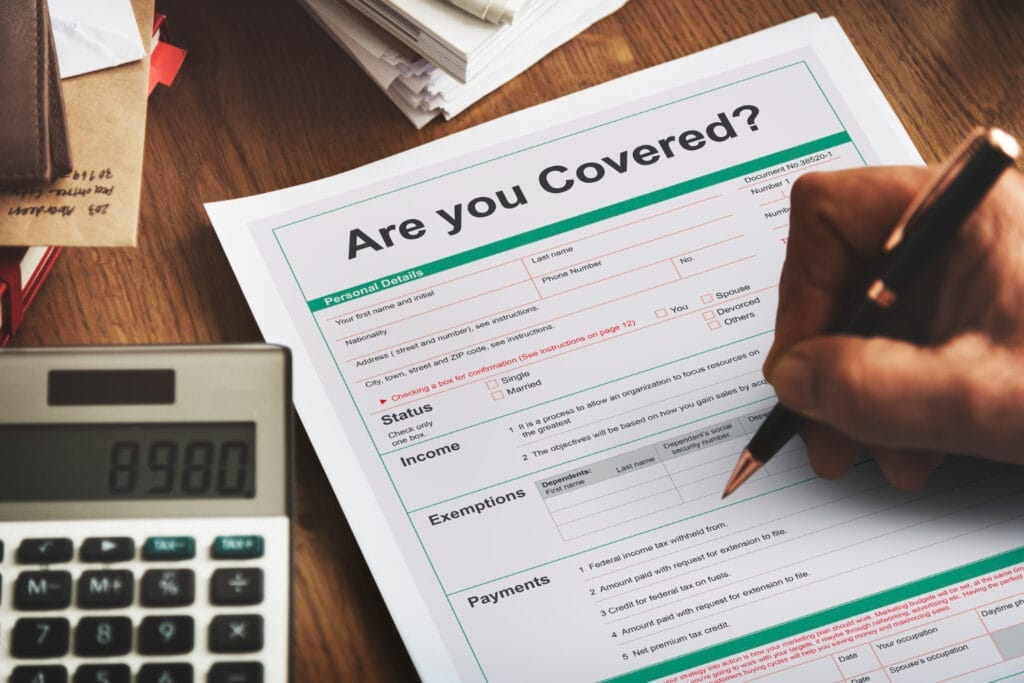
When purchasing professional liability insurance, several factors should be taken into account. First, assess the specific risks inherent to your line of work. For example, a financial advisor faces different liabilities than a healthcare provider. Next, consider the history of claims in your industry to gauge potential threats. Finally, evaluate the insurer’s reputation and their ability to handle claims efficiently, as this can impact the speed and manner of resolution in the event of a claim.
What trends in professional liability insurance should professionals be aware of in 2023?
As we move through 2023, professionals should be aware of several key trends within the realm of professional liability insurance. One significant trend is the increasing emphasis on cyber liability coverage. As digital threats like data breaches and cyberattacks become more prevalent, insurers are enhancing their policies to cover such risks. This is crucial for professionals who handle sensitive client information online, as traditional E&O policies may not fully cover cyber-related claims.
Additionally, the gig economy’s growth is prompting insurers to adapt their offerings to cater to freelancers and independent contractors who require flexible yet comprehensive coverage. This shift acknowledges the diverse nature of modern work arrangements and the need for customizable insurance solutions. Lastly, regulatory changes across various industries are influencing the scope of professional liability coverage, making it essential for policyholders to stay informed about legal and compliance developments relevant to their professions.
Conclusion: Errors and Omissions Insurance VS Professional Liability Insurance
Whether you opt for errors and omissions insurance vs professional liability insurance, both forms of coverage can provide essential protection tailored to the nuances of your professional duties. The key is to thoroughly evaluate your specific needs and risks, ensuring that your chosen insurance aligns perfectly with your professional landscape.